
College of Law became a member of the Association of Outsourced Accountants of the Republic of Latvia.
Author: Juridiskā koledža
Burgas Free University
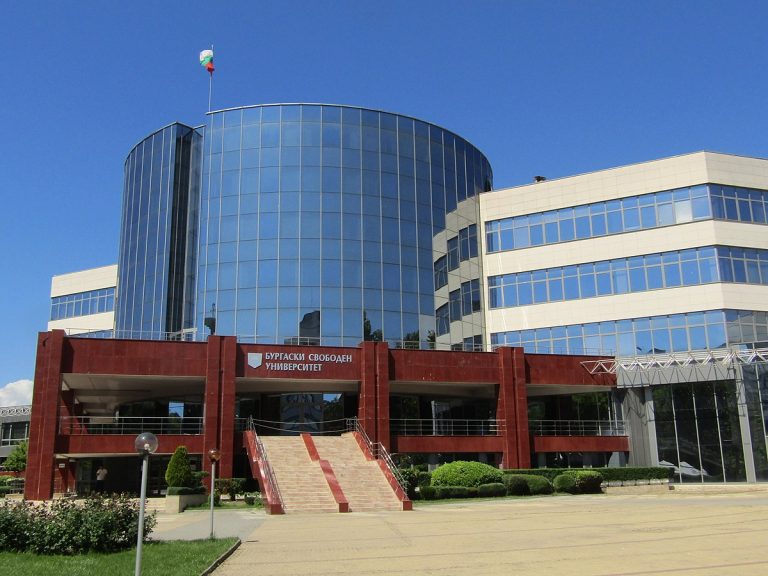
Burgas Free University and the College of Law signed a cooperation agreement on 3 September 2021, which allows for many different activities with Bulgarian colleagues in the near future: involvement of teachers and students in the Erasmus + mobility program, exchange of information, participation in conferences and production of scientific publications, guest lectures.
Utena University of Applied Sciences

An agreement has been signed with the administration of the Utena University of Applied Sciences on cooperation opportunities to allow College graduates acquire professional Bachelor in Lithuania, continuing education at later study stages (08.10.2015).
The Academic information centre informs that the professional Bachelor degree, acquired in Lithuania, shall be aligned with the Bachelor degree, acquired in Latvia, and allows continuing studies in Master degree programs.
Vidzeme University
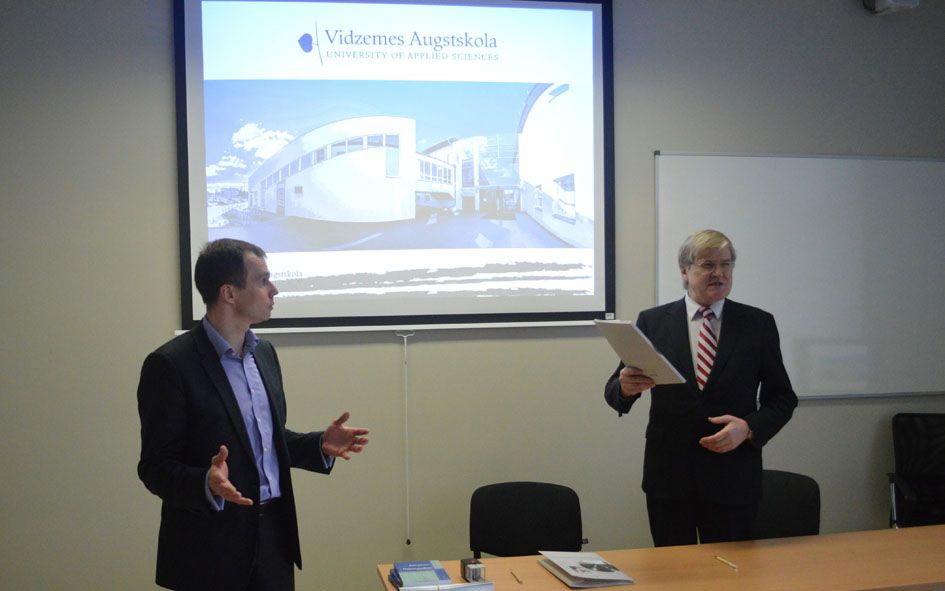
On March 20, 2015 the Director of the College of Law Tālavs Jundzis and the rector of Vidzeme University of Applied Sciences Gatis Krūmiņš signed the cooperation agreement, which allows the College graduates to acquire professional Bachelor degree, continuing education at later study stages.
Business University Turība

The cooperation agreement signed between SIA “Juridiskā koledža” and the Business University Turība (31.10.2006) stipulates bilateral cooperation in improvement and development of the study process and applied research, improvement of education level and exchange of pedagogical and teaching work.
Praxis

Internship places for students:
– real estate managementcompanies,
– Office of Citizenship and Migration Affairs,
– registry offices,
– Attorneys at Law and notary offices,
– State Land Service,
– Latvian Investment and Development Agency,
– Municipal Police,
– regional councils, Orphans’ Courts, social services,
– Prison Administration,
– Courts Administration,
– State Police,
– State Revenue Service.
Internship of students is possible abroad as well – within the framework of ERASMUS+ program.
Opportunities

College graduates heve opportunities to continue their studies in:
– Rīgas Stradiņa universitāte,
– Vidzemes augstskola,
– Ekonomikas un kultūras augstskola,
– Biznesa augstskola Turība,
– Baltijas Starptautiskā akadēmija,
– Rēzeknes Augstskola,
– Rīgas Tehniskā universitāte,
– Rīgas Starptautiskā ekonomikas un biznesa administrācijas augstskola
Mehmet Kara

Learning of the Expierence from good practice. Experience in an international context. Intercultural competence. Benefit of the international perspective. Good practice of a different institutions. From: Amasya University, 08.07. – 22.07.2022.
Boyan Georgiev

Administrative Procedures and Administrative Justice. Historical development of administrative justice in the South – Eastwen European countrie. Modern Bulgarian administrative courts. Public interest and administrative justice. From: Burgas Free University, 16.05. – 20.05.2022.
Metin Orbay

Higher education system in Turkiye. Higher education system in Turkiye. Amasya University, City of Amasya and It’s history. Evaluation of Academics in Turkiye. Journals as a Communication Channel. From: Amasya University, 08.07. – 22.07.2022.
